
Mimoza Keka, PhD
Posts by :
The use of digital technologies in quantitative analysis of piano performance
The Use of Digital Technologies in Quantitative Analysis of Piano Performance
Research at the intersection of piano performance, analysis and digital technology
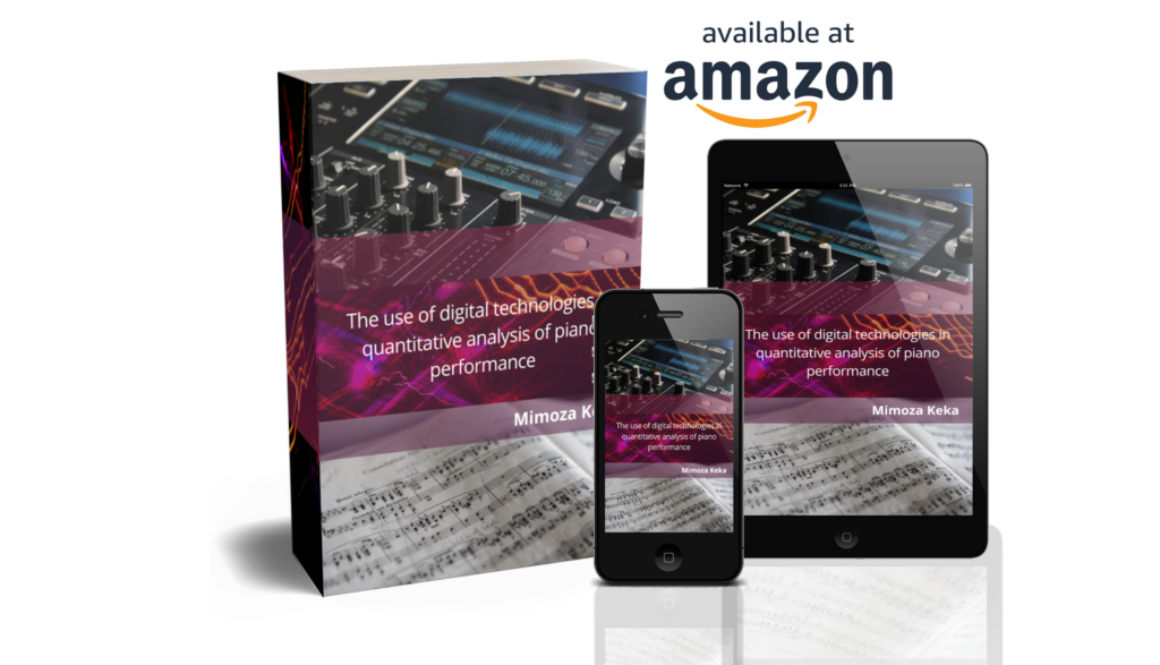
This book is based on Mimoza Keka’s doctoral dissertation and explores how digital technologies can be used for the quantitative analysis of piano performance.
At the centre of the research is the question of how interpretative decisions – including timing, dynamics, articulation and touch – can be captured, structured and analysed through MIDI, audio and video recordings. The study combines musicological analysis with the perspective of the performing pianist.
Quantitative Analysis of Piano Performance
The study develops a methodological model for the quantitative investigation of piano performance. Alongside a historical overview of theories of piano playing and musical interpretation, it examines the use of digital technologies in music research and their potential for the analysis of performance practice.
The research methodology includes the collection and processing of data from MIDI, audio and video recordings, the development of an appropriate data structure and the analysis of different interpretative parameters.
Parameters Examined
Tempo & Agogics
Analysis of temporal shaping and interpretative fluctuations in tempo.
Dynamics
Examination of dynamic development and its relationship to musical structure.
Articulation & Touch
Analysis of pianistic differentiation and its realization in sound.
Structure & Musical Development
Examination of metric-rhythmic, intervallic and melodic relationships.
Musical examples, graphical representations and visualisations of audio and spectral data complement the analytical discussion.
From Dissertation to Publication
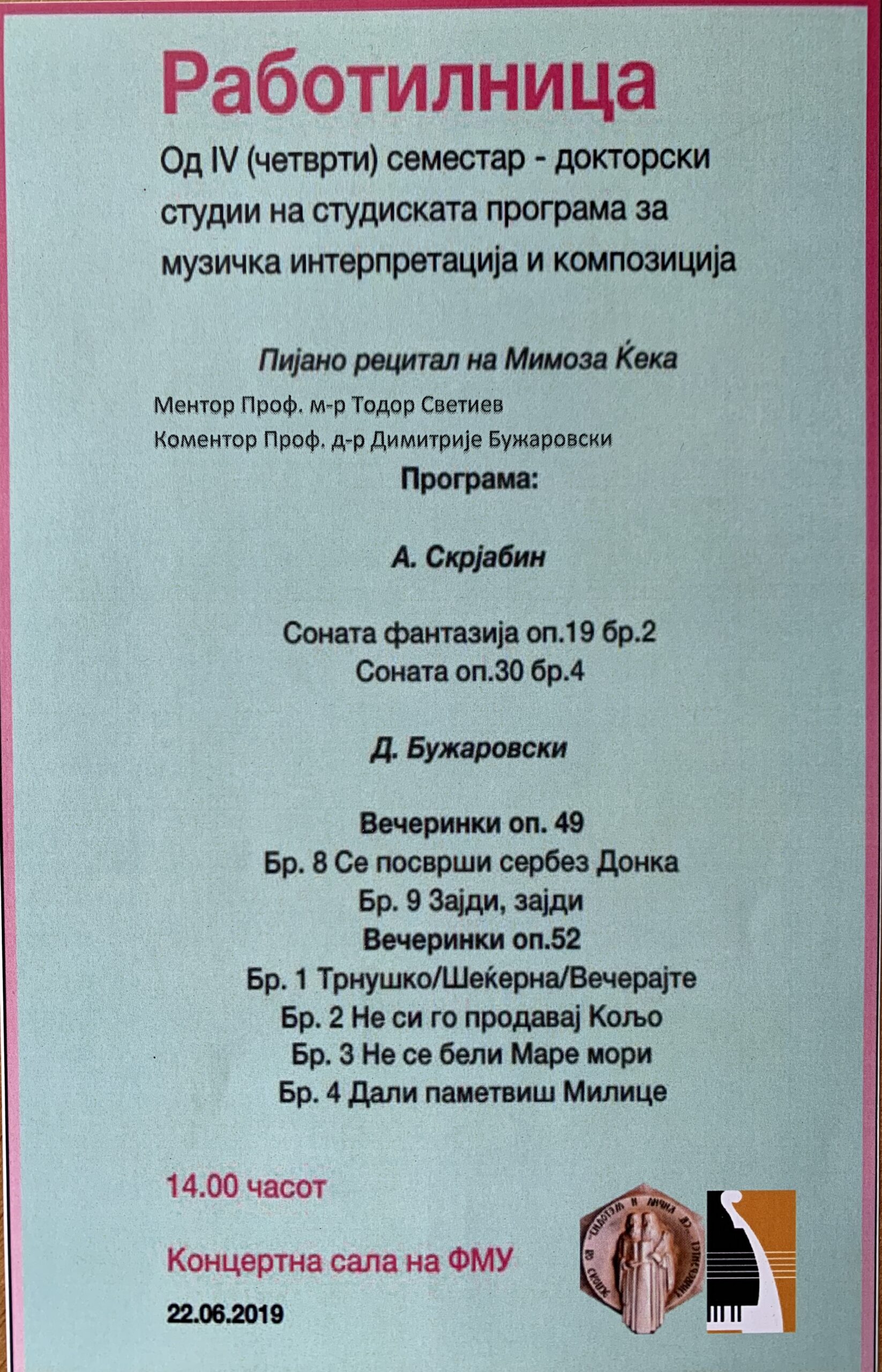
The research was developed as part of Mimoza Keka’s doctoral studies in Musical Arts at Ss. Cyril and Methodius University in Skopje.
The English-language publication makes the research accessible to an international readership of pianists, music educators, students and researchers, particularly those interested in piano interpretation, performance analysis and digital research methods.
Academic Evaluation
The research represents a significant development in piano theory and opens new perspectives for further study in piano theory and piano pedagogy.
The research and its methodology offer a distinctive approach to the study of piano performance through the use of digital technologies.
The structure and content of the work demonstrate a high academic standard and provide a valuable point of reference for future researchers.
The study is particularly relevant to performing pianists, introducing a new approach to the analysis of dynamics, tempo and agogics.
The research is distinguished by its interdisciplinary approach, connecting musical interpretation with digital methods of analysis.
The Use of Digital Technologies in Quantitative Analysis of Piano Performance
English-language edition
The publication examines the quantitative analysis of piano performance through digital technologies, bringing together theoretical, methodological and interpretative perspectives.
VIEW ON AMAZON →
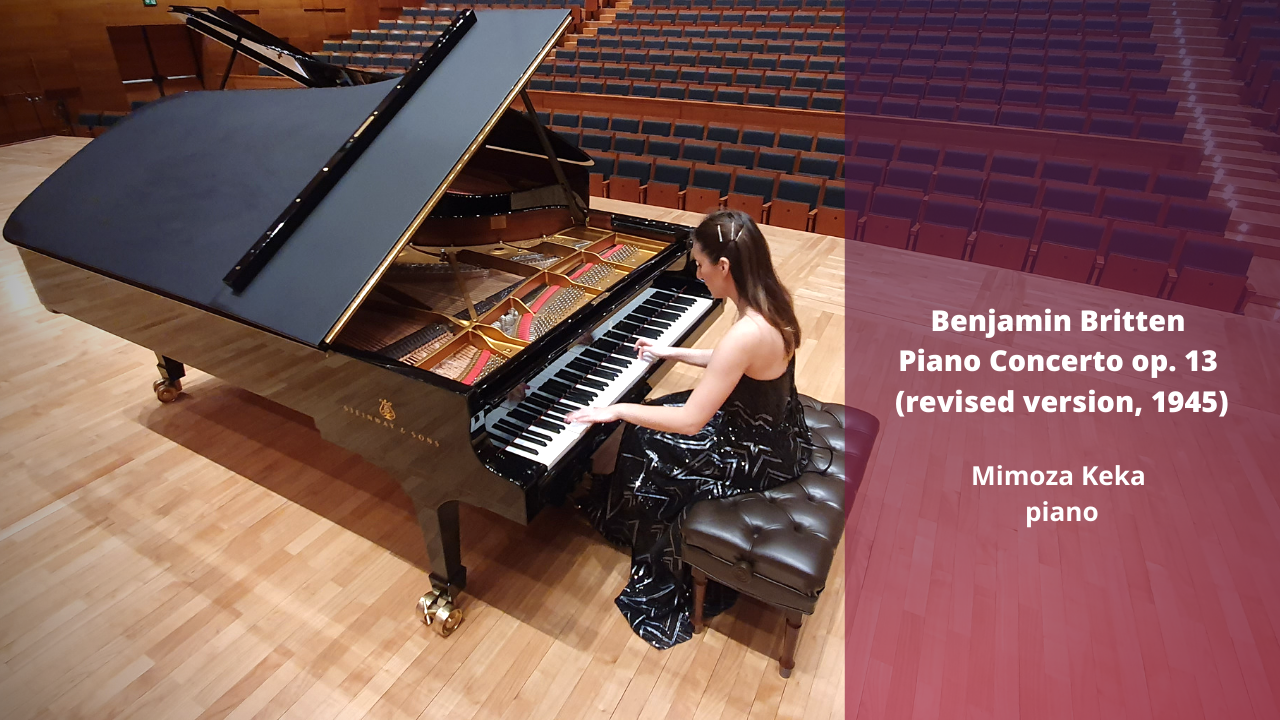
Mimoza Keka plays Benjamin Britten Piano Concerto op.13
Live Performance of Benjamin Britten’s Piano Concerto
Watch this live music video recorded at the Philharmonic Hall in Skopje, performing Benjamin Britten’s piano concerto as part of my doctoral dissertation. The video captures the essence of the performance and the hall’s ambiance adds depth to the music, creating a captivating experience for viewers. Benjamin Britten’s Piano Concerto, a masterpiece of 20th-century classical music, combines intricate melodies and rhythmic brilliance. Composed in 1938, it showcases Britten’s innovative approach, blending lyrical elegance with vibrant orchestration, leaving an indelible mark on the classical repertoire.
Music Review: Society of Musical Artists of North Macedonia Press
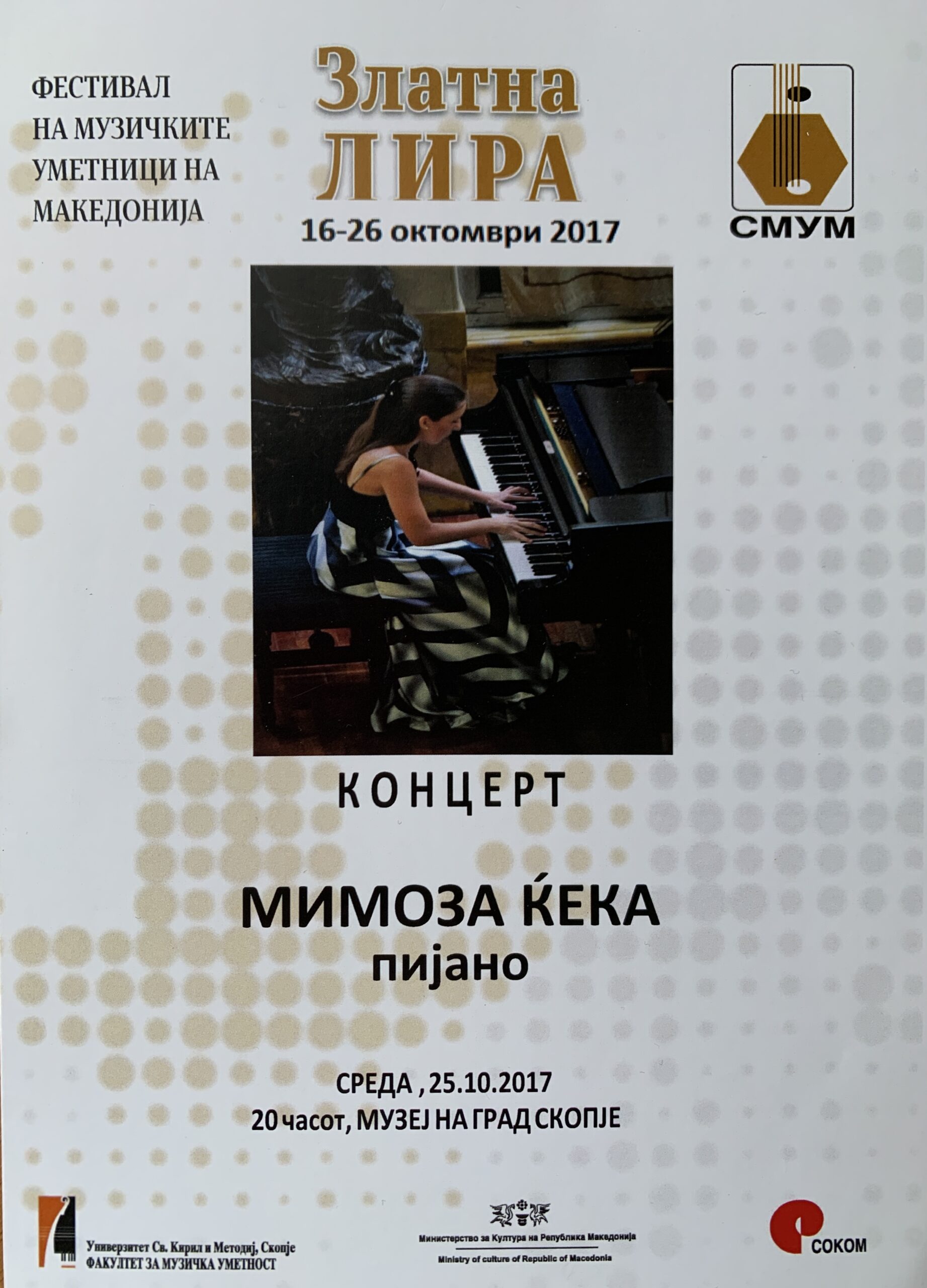
Towards the concert of Mimoza Keka – piano, at the Golden Lyre Festival 2017
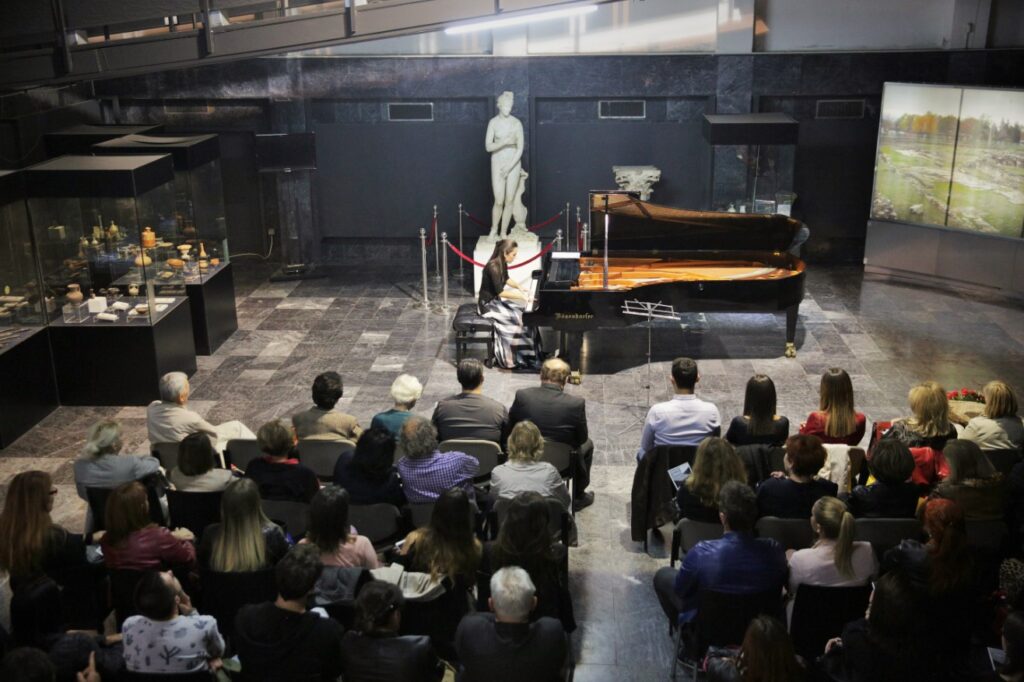
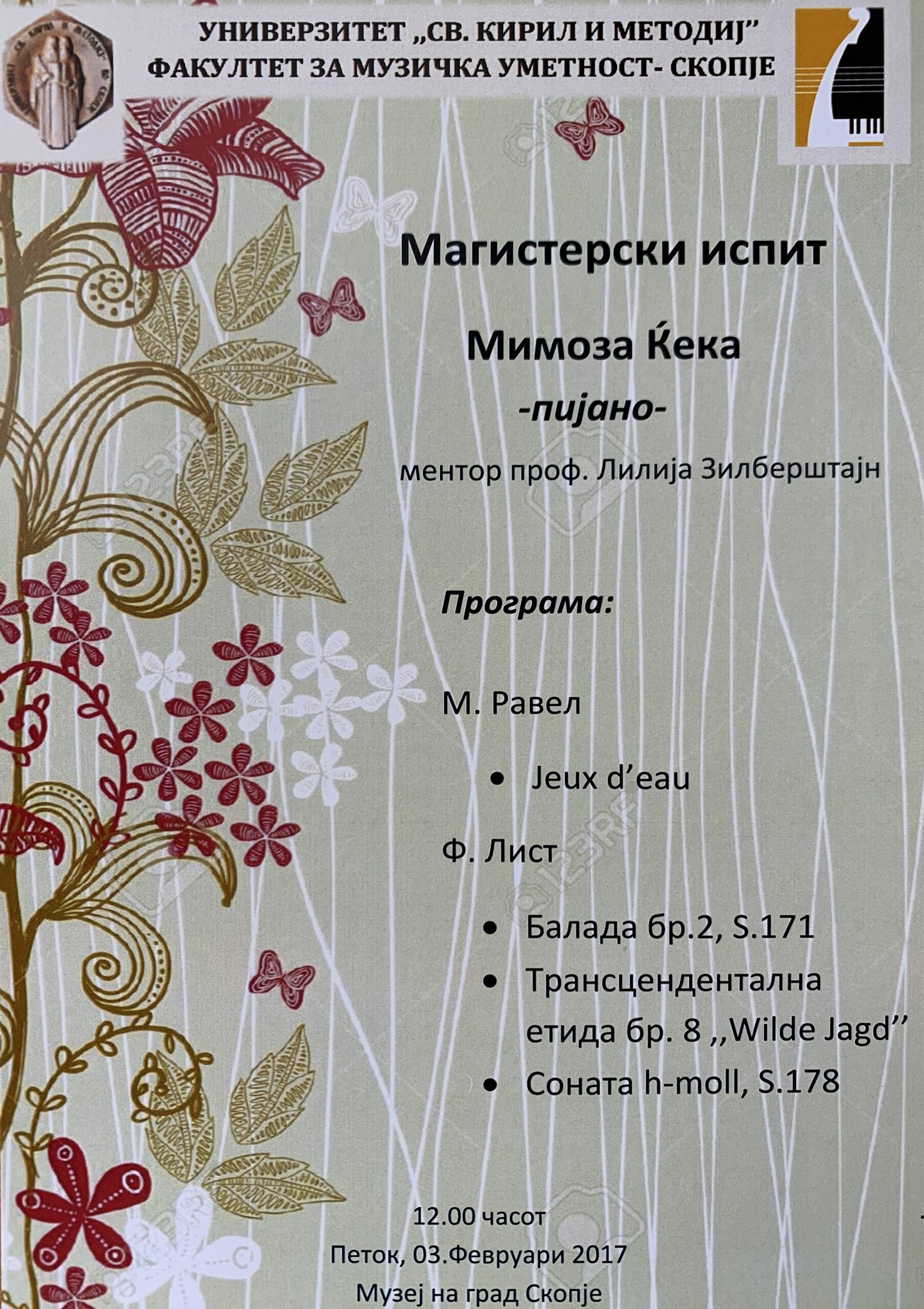
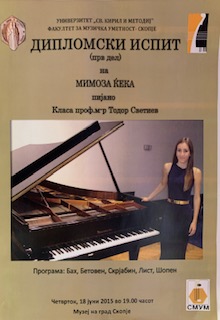
First, some important references for the young pianist Mimoza Keka, who in the hall of the Museum of the City of Skopje, most pleasantly surprised the audience, especially the author of this text. Coming directly from our piano school, which by the way ranks very high with the quality of the educational system, tradition and an excellent pedagogical staff, graduated in the class of Prof. Todor Svetiev, then received a master’s degree under the guidance of Prof. Lilya Zilberstein, we should remember this pianist name very well, because in fact her artistic appearance, with all the interpretive baggage she spilled on the stage, will lift her into the world of the big art stages.

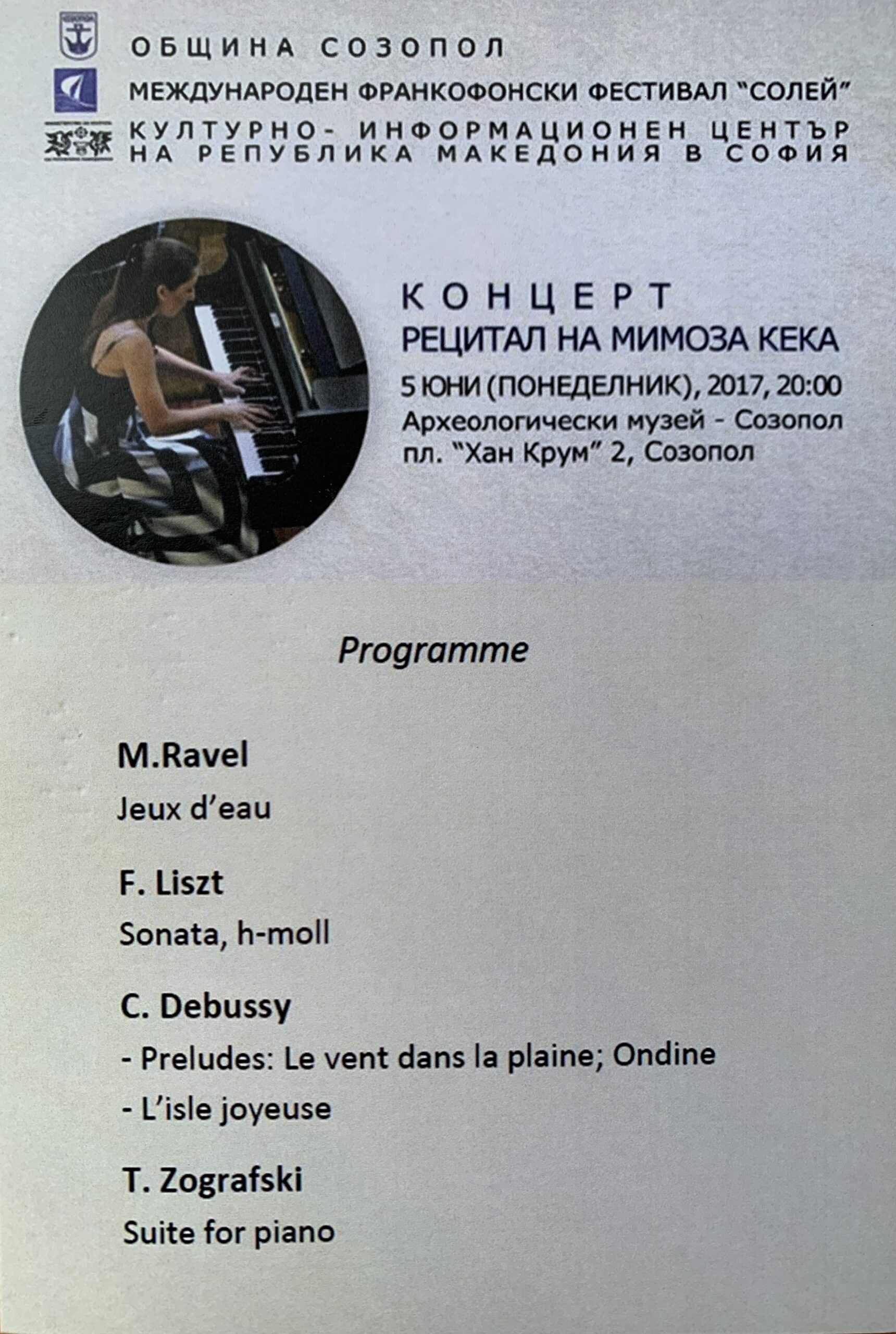
Keka, fascinates with the emotional and physical strength that are obviously the strongest steam for her to deal sovereignly with the very demanding works, this time with the imposing sonata in h-moll of the great Franz Liszt, a work which by its tonal and technical handwriting convincingly approaches the so-called piano symphony, which she overcame with an inexplicably easy approach the ingenious artistic nature of Liszt, in which at one moment the piano sings the most lyrical melody and immediately that same lyric grows into a huge and unstoppable wave of bravura technique that throws the artist on a dangerous field to fight that inexhaustible virtuosity – a training ground where you can easily lose your way. But that sublime artistic act of visible exposure of very detailed performed music score was obvious for Mimoza Keka, she with her own artistic fanaticism conquered that grandiose Liszt’s challenge called the terrible Sonata in h-moll, to which even more experienced piano masters do not come close because it is really too difficult to perform – plus for our young and very promising pianist, who was easy to recognize as an extremely serious artist, who completely surrendered to her majesty – the Music. And her wisdom that the impressive Liszt is reached through the impressionist spectrum of the pianistic color of Ravel (Jeux d’eau) and Debussy (Images, book 1; L’isle joyeuse) was just a virtue of respect. Her piano filling of these two Impressionist giants was a great interpretive performance, a significant warm-up for the Piano Marathon in the Musical Score of the Sonata that rightfully took the central place in the program of the concert session.
And with curiosity in the future we will expect this young gifted pianist on stage, because she deserves it, indebting our music public with her high quality artistic profile, for whose real face to experience as a rare revelation on the piano scene, justifies the Golden Lyre Festival, whose subtle mission of this years edition was essentially fulfilled – to present to the Macedonian concert scene new great young artists, a generation of quality performers who convincingly announce freshness in the reproductive art in our musical life. We wish them bright and successful artistic careers not only on our concert stage, but also on the stages of the world capitals, where they will dignifiedly celebrate their art, but also the country where they sailed in the musical waters.
Vaska Naumova Tomovska
Golden Lyre Festival,
Skopje City Museum,
Skopje,
25.10.2017